

What Is PPF and Why Do Tempe Drivers Need It?
Paint protection film (PPF) is a clear thermoplastic urethane layer bonded directly to a car’s painted surfaces. It absorbs rock chips, scratches, and UV exposure before any of that damage reaches the clear coat underneath. For Tempe drivers specifically, the combination of intense desert sun, loose gravel on the 101 and I-10, and triple-digit heat makes PPF one of the most practical investments you can make in your car’s finish.
Arizona’s summer heat does something most people overlook: it accelerates clear coat degradation on its own, even without a single chip. Add the constant chip risk from gravel kicked up on the 202 and I-10 at highway speeds, and a wax or paint sealant simply cannot keep up. Those products have their place, but they offer no meaningful physical protection against road debris.
For owners of European and exotic cars, this matters even more at resale time. Paint condition is one of the first things a serious buyer or dealer inspects, and a chip-free car commands a noticeably stronger price than one with scattered road damage.
At Stratton, we carry XPEL exclusively. We don’t stock a roster of brands and let you sort it out. One brand mastered rather than several stocked means our team knows every product in the XPEL line and can match it to your specific car and how you drive it.
Which XPEL PPF Product Is Right for Your Car?
Stratton offers four XPEL film products, each built for a different situation. Choosing the right one depends on your car’s finish, how you drive it, and what you want from the film beyond basic protection.
| Product | Best For | Key Feature |
|---|---|---|
| XPEL Ultimate Plus | Daily drivers and show cars | Optically clear, self-healing with heat |
| XPEL Stealth | Gloss paint owners wanting a matte or satin look | Style change and protection in one film |
| XPEL Armor | Off-road use or vehicles on rough Arizona roads | Thicker construction than standard film |
| XPEL headlight/tail light film | Lens protection | Prevents yellowing and chip damage |
XPEL Ultimate Plus is the flagship product and the one most cars end up with. It is optically clear, self-heals light surface scratches on contact with heat (which Arizona provides in abundance), and works equally well on a car you park in a Scottsdale garage once a week and one you commute on the 101 every day.
XPEL Stealth is a completely different animal. If your car has gloss paint and you have been thinking about a matte or satin finish, Stealth does both jobs at once: protection and a style conversion without touching the actual paint.
XPEL Armor is thicker than the standard film and built for vehicles that take harder hits, whether that means off-road use or simply spending a lot of time on Arizona roads that have not been repaved recently.
XPEL window tint rounds out a full-vehicle protection plan. Combined with PPF on the paint and lenses, it addresses the two biggest Arizona threats: road damage and relentless UV.
What PPF Package Options Does Stratton Offer in Tempe?
Stratton structures PPF installations into three coverage tiers. The right one depends on where your car takes the most punishment and how you actually use it.
Partial Front covers the hood, fenders, mirrors, and headlights. This is the most popular choice for daily drivers because it shields the zones that take the overwhelming majority of road debris hits. For most commuter cars, this is where the money is best spent.
Full Front adds the complete hood, full front bumper, and A-pillars. If you regularly put highway miles on your car, the extended bumper and A-pillar coverage makes a real difference, especially at freeway speeds where debris impact is harder.
Track and Full Body wraps the entire car, including rocker panels, rear bumper, and trunk edge. This is the right choice for exotics, collector cars, and anything that sees track time. Rocker panels and rear bumpers collect damage that most people forget about until it is already done.
We recommend coverage based on driving habits and vehicle type. A Porsche used as a track day car and a daily-driven McLaren are going to get different guidance from our team, not a blanket upsell to full body.
How Does Stratton’s PPF Installation Process Work?
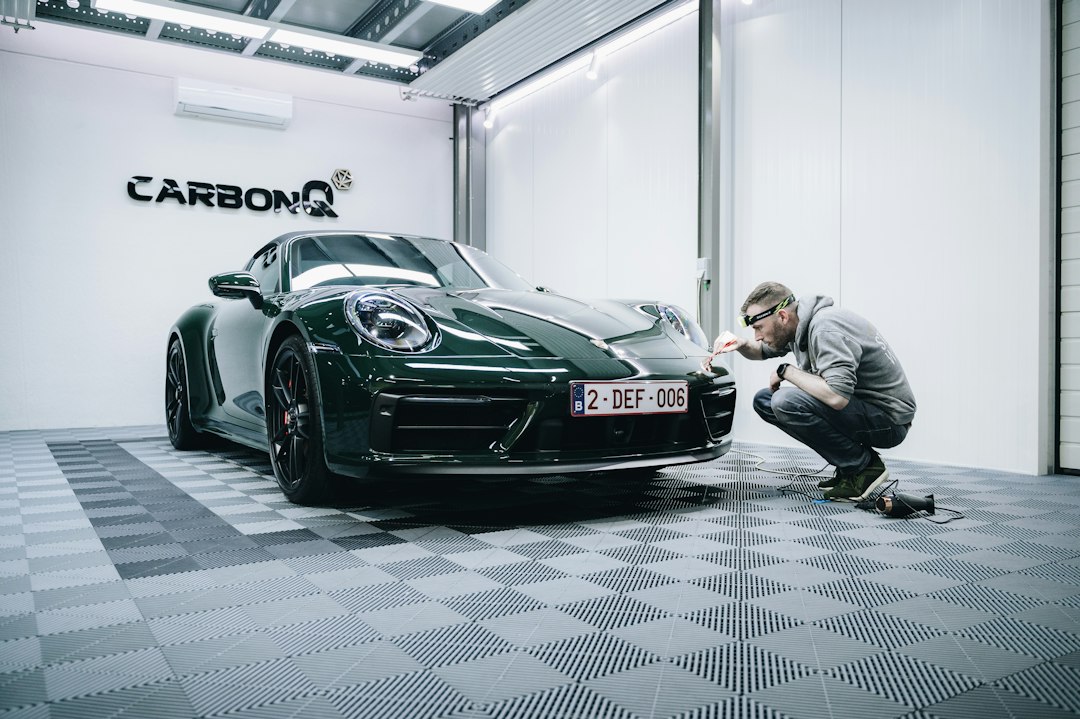
Every PPF install at Stratton starts with a consultation and a full paint inspection. If swirls, scratches, or any other defects are present, paint correction happens before the film goes on. This is not optional: PPF locks in whatever is underneath it, so applying film over existing damage preserves that damage permanently.
From there, the process follows a clear sequence:
- Computer-cut patterns are matched to the exact make and model of your car, which eliminates the need for bulk trimming directly on the painted surface.
- Our technicians, trained directly by XPEL, install the film and check every edge, seam, and panel transition before the car moves.
- A final inspection covers the complete installation before the car leaves the shop.
Partial-front installs typically finish within a single day. Full-body installs take two to four days. If you are coming from Scottsdale, Mesa, or anywhere else across the Valley, our team offers drop-off and pick-up service. You can also learn more about how PPF products shield your car from Phoenix’s harsh sun in detail.
How Long Does PPF Last and What Does Aftercare Look Like?
XPEL film carries a manufacturer warranty against yellowing, cracking, and peeling. That warranty typically runs seven to ten years when the film is properly maintained. In Arizona’s heat, how you care for the film matters.
Key aftercare steps:
- Wait at least 48 hours after installation before the first wash.
- Use pH-neutral soap and either hand wash or a touchless wash. Brush-style automatic washes can lift edges over time.
- Clean bird droppings, bug splatter, and tree sap quickly. Arizona summers bake those contaminants onto surfaces fast, and they become much harder to remove the longer they sit.
- Schedule annual inspections. A lifting edge found early is a minor fix. Left alone, it becomes a larger repair.
How Do You Choose a PPF Installer in Tempe?
The quality of a PPF install depends almost entirely on the prep work and the skill of the installer. Here is what to ask any shop before you commit:
- Does the shop do paint correction before installing film? If the answer is no or vague, the film will trap whatever defects are already there.
- Are patterns computer-cut to your vehicle’s specific make and model, or is someone trimming bulk film with a blade on your paint?
- What film product is being used and why? A shop that can explain the difference between XPEL Ultimate Plus and XPEL Stealth, and point you to one based on your car and goals, understands what it is selling. One that cannot is guessing.
Stratton Motor Cars is at 2420 W 14th St., Suite B, Tempe, AZ 85281, a few minutes from ASU and Tempe Marketplace. We serve clients from across the Valley, including Scottsdale, Paradise Valley, Queen Creek, and beyond. Drop-off and pick-up service is available.
Is PPF in Tempe Worth Pairing With Ceramic Coating?
Pairing PPF with ceramic coating is one of the most effective protection combinations available, and it is popular for good reason. At Stratton, the ceramic coating product is XPEL Fusion Plus, applied directly to the surface of the installed film. The coating adds hydrophobic properties that cause water and road grime to bead and run off rather than bonding to the surface, which keeps the car cleaner and makes washing easier.
The two products handle different threats. PPF handles physical impact from rocks, debris, and road hazards. Ceramic coating handles chemical exposure, UV at the surface level, and everyday environmental contamination.
A real example from our work: a Viper with Copperhead Orange paint came in for both PPF and ceramic coating. That car still looks new. The combination locked in the finish at its best point and has kept it there.
The workflow at Stratton runs paint correction first, then film, then coating. Scheduling both together saves time and keeps the process clean. You can read more about combining XPEL PPF and ceramic coating for a deeper look at how the two products work together.
FAQ
Can PPF be removed without damaging the paint?
Yes. XPEL film, when removed professionally, comes off without harming the paint underneath. The key word is professionally: heat and the right technique matter. DIY removal or removal by someone unfamiliar with the process can cause problems. Bring it to a shop that knows the film they are working with.
Does Arizona’s summer heat affect PPF performance?
Heat actually works in PPF’s favor in one respect: XPEL Ultimate Plus uses heat to self-heal light surface scratches. Arizona’s climate means that self-healing property activates quickly, even passively in a parked car. On the other side of the equation, intense heat makes it even more important to clean contaminants like bird droppings and sap off the film promptly, since heat accelerates how fast they bond to any surface.
How do I get a PPF quote at Stratton Motor Cars in Tempe?
Reach out to our team at 2420 W 14th St., Suite B, Tempe, AZ 85281, or contact us at (480) 234-7354 or info@strattonmotorcars.com. Every job starts with a consultation and paint inspection, so we can look at your specific car, talk through your driving habits, and recommend the right XPEL product and coverage tier before any numbers are on the table.



Leave A Comment