

What Is Paint Protection Film and Why Does It Matter in Tempe, AZ?
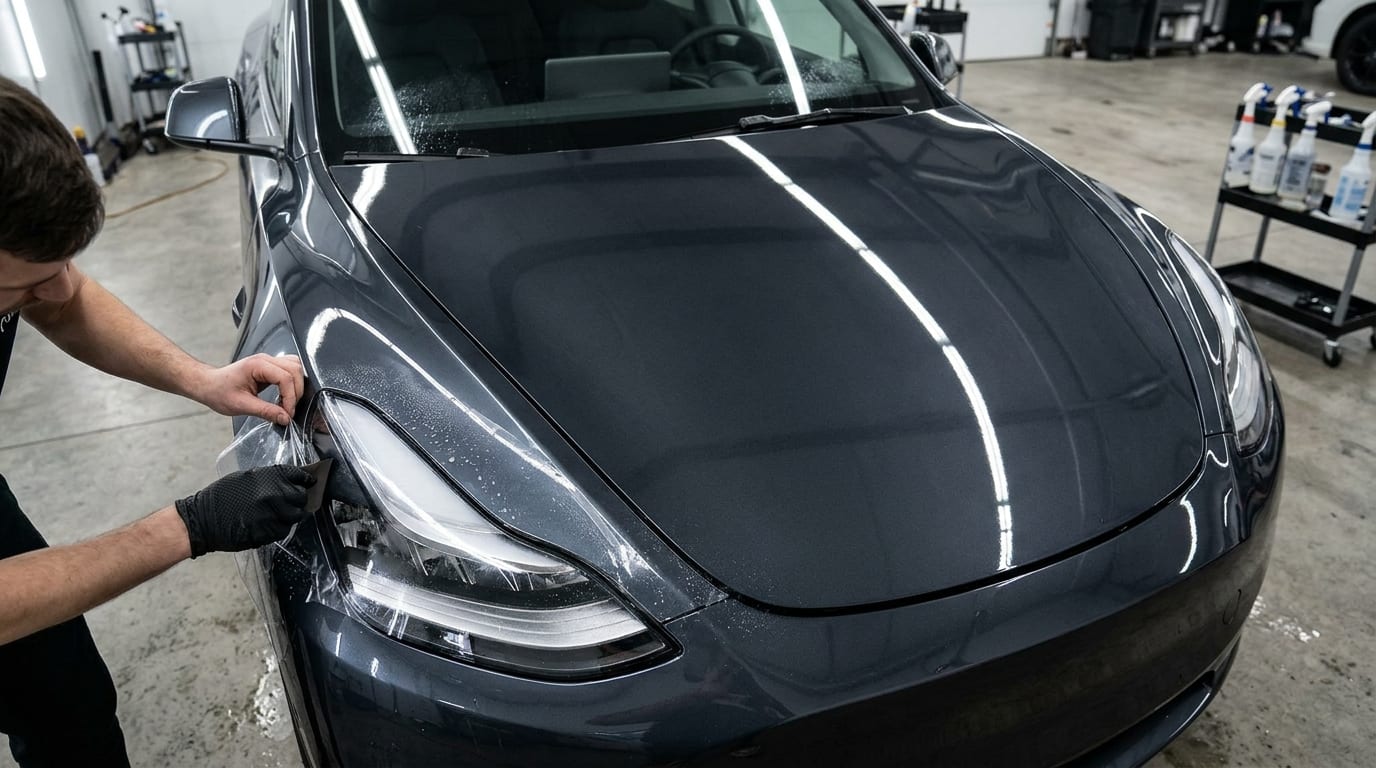
Paint protection film (PPF) is a thermoplastic urethane film bonded directly to painted surfaces to absorb rock chips, resist UV degradation, and protect against abrasion. For Tempe and the broader Valley, that definition is more than theoretical: the 101 and 202 regularly throw loose gravel at passing cars, Arizona’s sustained summer UV literally bakes clear coat from the outside in, and dust storms grind fine particulate against every panel they touch. These are not occasional risks. They are part of daily driving here.
We install XPEL exclusively. That single-brand focus means our technicians know every product line deeply, the warranty process is straightforward, and there is no guesswork about which film came off which roll. For owners of European and exotic cars, protecting paint condition is also a direct financial decision: paint quality is one of the first things a serious buyer inspects, and a chipped or faded hood can meaningfully hurt resale value on cars where resale already starts high.
What XPEL PPF Products Does Stratton Motor Cars Offer?
We carry four XPEL film products, each built for a different purpose:
- XPEL Ultimate Plus: The flagship film. Self-healing, optically clear, designed for gloss finishes and daily drivers who want maximum protection without changing the car’s look.
- XPEL Stealth: Engineered to preserve or create a matte or satin finish. If your car left the factory in a satin color or you want to shift the sheen, Stealth does it without sacrificing impact protection.
- XPEL Armor: A thicker construction for situations where impact risk is higher, including off-road use and track environments.
- XPEL Headlight and Tail Light PPF: An add-on that matters more in Arizona than most people realize. OEM lenses are expensive to replace, and sustained UV hazing is a real issue here.
You can explore our full PPF installation services for more detail on each product.
Which PPF Package Matches Your Car and Driving Habits?
The right coverage depends on where you drive, how often, and what you are protecting. Here is how we think about it:
Partial Front (hood, fenders, mirrors, headlights): The most popular choice for daily drivers commuting on Valley freeways. If your car mostly sees the 101, the 60, or surface streets, this package addresses the panels that catch the most road debris at speed.
Full Front (adds the complete hood, front bumper, and A-pillars): A better fit for owners who regularly run the 60 or I-10 at highway speeds, where debris impact frequency and velocity are both higher. The A-pillar coverage is a detail that matters: chips along that edge are common and awkward to repair later.
Track and Full Body (rocker panels, rear bumper, trunk edge included): The right call for track cars, frequent long-distance road-trippers, and high-value exotics where total coverage is the clearest way to protect resale. A Viper owner came to us wanting to protect an irreplaceable Copperhead Orange paint job. We applied PPF along with a ceramic coating, and the car still looks new. That is exactly the kind of outcome full coverage is designed to deliver on a finish you cannot simply repaint and match.
The goal is never to upsell a larger package. It is to match coverage to actual risk.
How Does the PPF Installation Process Work at Stratton Motor Cars?
A proper paint protection film installation follows a specific sequence. Skipping steps creates problems that film cannot fix and may actually make permanent.
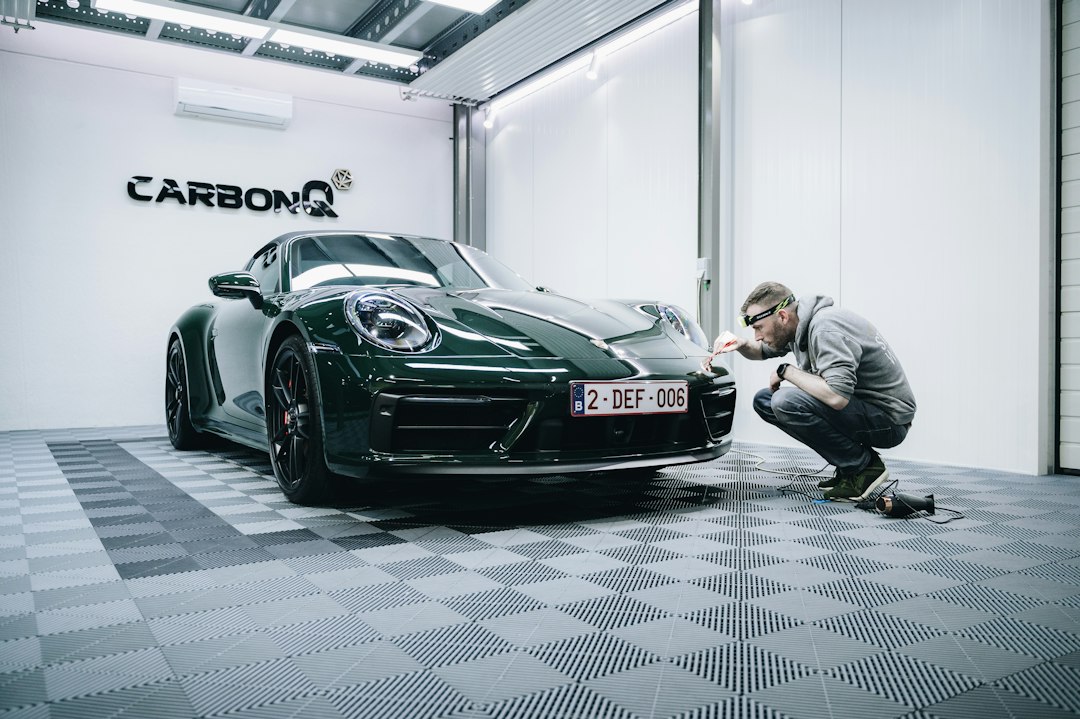
Step 1: Consultation and paint inspection. Before any film goes on, our team assesses the existing condition of every panel: chips, swirls, micro-scratches. This determines what the car needs before installation begins.
Step 2: Paint correction when needed. Film is not forgiving. It locks in whatever is underneath it. If a panel has swirl marks or a chip that was not addressed, that defect is now preserved under a layer of protective film. We correct paint first so the film is protecting a clean surface.
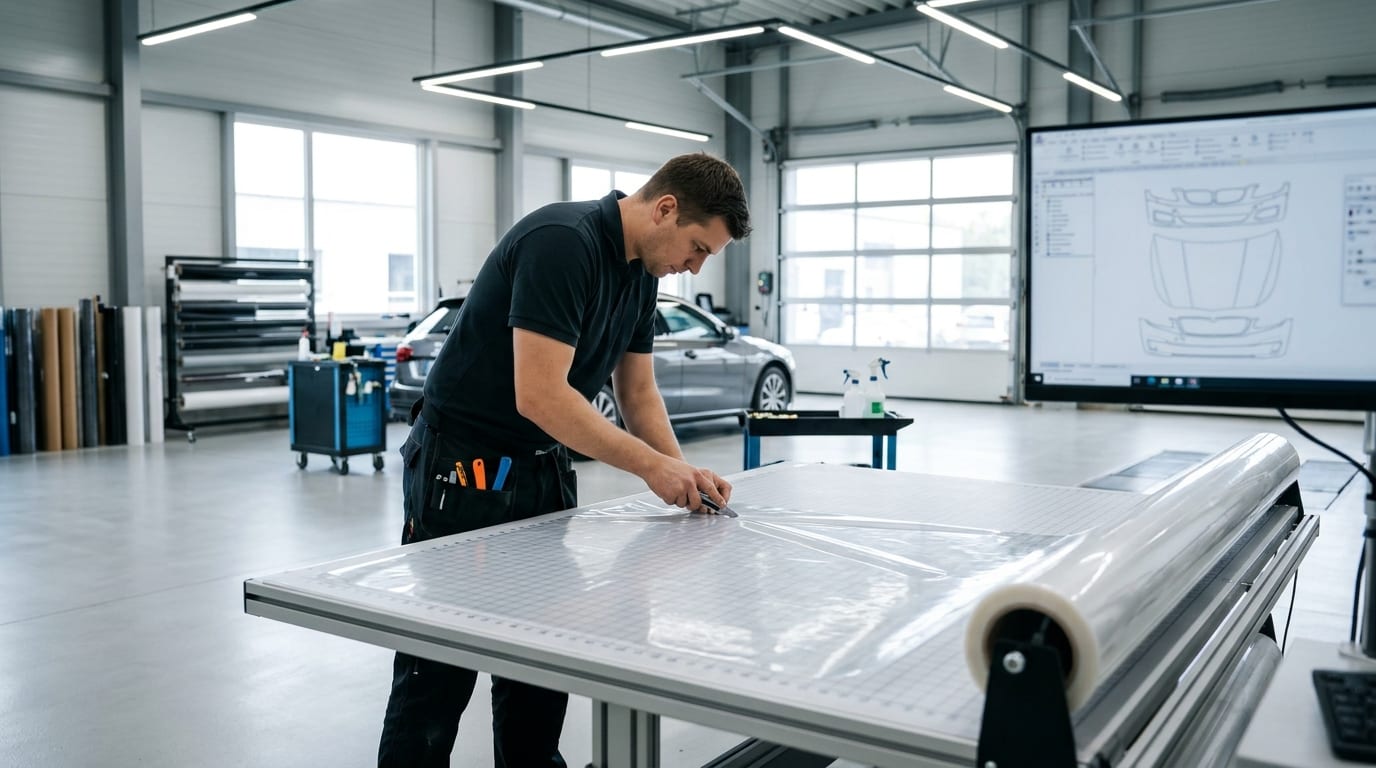
Step 3: Computer-cut patterns. Every piece of film is cut to match the exact make and model, not trimmed by hand on the car. This precision is what produces clean edge lines and consistent seam gaps across every panel.
Step 4: Final inspection. Our technicians check every edge, seam, and panel transition before the car leaves. Partial-front installs are typically complete within a single day. Full-body installs generally take two to four days.
How Should You Care for PPF in Arizona’s Climate?
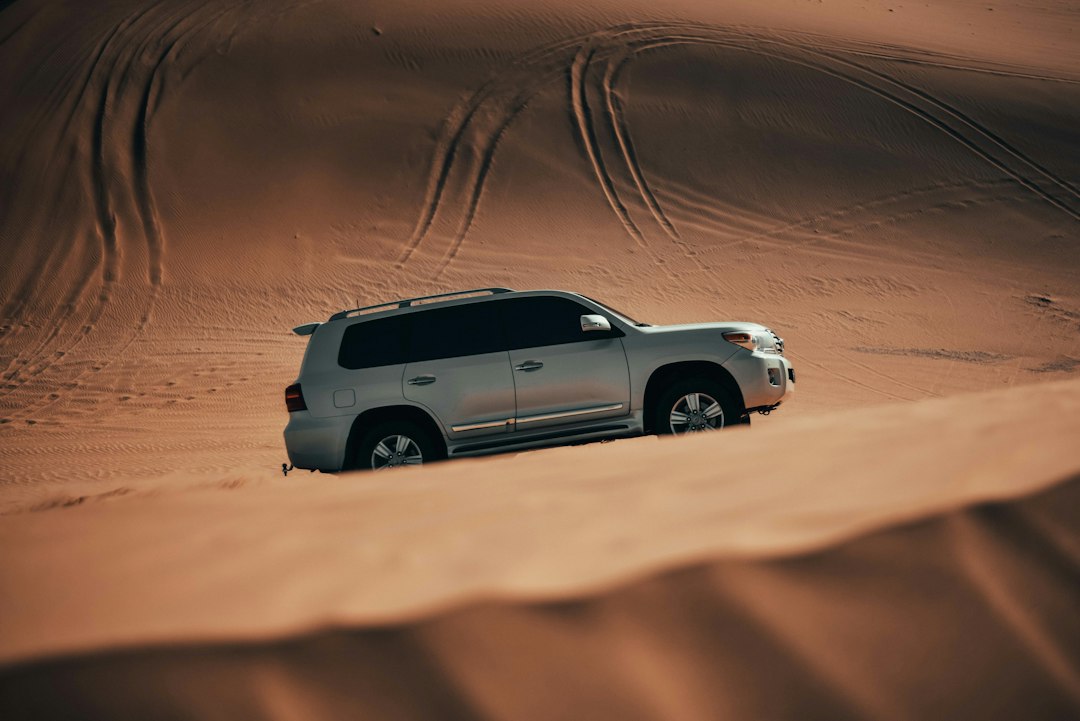
Arizona conditions make aftercare more important, not less. Heat accelerates everything: adhesive cure, chemical etching, and edge lifting if a seam is compromised.
- Wait at least 48 hours before the first wash after installation.
- Hand wash or touchless wash with pH-neutral soap only.
- Avoid brush-style automatic washes. Arizona dust trapped in brushes is abrasive enough to scratch film and lift edges.
- Clean bird droppings, bug splatter, and sap quickly. The heat here speeds up the etching process significantly compared to cooler climates.
- If you notice an edge beginning to lift, bring it in promptly. Heat cycles will cause it to curl further if left alone.
- An annual inspection is a good habit. It catches small issues before they become large ones.
Should You Pair PPF with a Ceramic Coating in Tempe?
Pairing PPF with XPEL Fusion Plus ceramic coating is worth serious consideration for most Valley owners, and it is worth understanding exactly what each layer does.
PPF absorbs physical impacts: rock chips, road debris, abrasion. Ceramic coating adds a hydrophobic layer that sheds water, Arizona dust, and environmental contaminants, and reduces how often the car needs washing. Applied over PPF, the ceramic also adds UV resistance on top of the film itself.
Ceramic coating applied to bare paint (without PPF underneath) does protect against UV exposure and chemical etching, but it does not stop rock chips. The two products are not interchangeable. They are complementary.
The XPEL Fusion Plus ceramic warranty can extend up to 10 years when properly maintained. The PPF manufacturer warranty is typically 7 to 10 years against yellowing, cracking, and peeling. For owners of Porsche, Ferrari, McLaren, and similar exotics, where both paint condition and long-term resale value are closely watched, running both layers together is the most complete protection available. You can read more about our ceramic coating services if you want to understand the process in detail.
If you are also considering a color change as part of a larger build, our vinyl wrap services are worth a look alongside PPF planning.
How Do You Choose a Paint Protection Film Installer in Tempe, AZ?
Not all paint protection film tempe az installations are equal. Here are the right questions to ask before committing to any shop:
- Do they use computer-cut patterns specific to your make and model? Hand-cut film produces seam gaps, uneven edges, and a significantly higher risk of lifting. There is no good reason to accept it.
- Do they perform paint correction before installation, not after? If a shop does not do this, whatever imperfections exist on your paint become permanent once the film goes on.
- What film brand do they use, and do they support the manufacturer warranty directly? At Stratton Motor Cars, we use XPEL exclusively and handle the warranty process directly, so there is no confusion about who to call if something needs attention.
- Do they have genuine experience with the type of car you own? European, exotic, and JDM vehicles have panel geometry and finish types that require specific knowledge.
We serve owners from across the Valley, including Scottsdale, Mesa, Chandler, Phoenix, and beyond. Drop-off and pick-up service is available for owners who cannot easily leave a car. Reach us at (480) 234-7354 or visit us at 2420 W 14th St., Suite B, Tempe, AZ 85281.
FAQ
How long does paint protection film last in Arizona’s heat?
XPEL films carry a manufacturer warranty typically covering 7 to 10 years against yellowing, cracking, and peeling when the film is maintained according to care guidelines. Arizona’s sustained heat does stress adhesives more than cooler climates, which is why following aftercare instructions and scheduling annual inspections matters here more than anywhere.
Can paint protection film be removed without damaging the paint?
Yes. When removed professionally, PPF comes off without harming the underlying paint. This is one of the reasons it is a popular choice for owners who want protection now and flexibility later, particularly on leased vehicles or cars they plan to sell. DIY removal is a different story and not something we recommend.
Does Stratton Motor Cars offer PPF for cars driven in from Scottsdale or Mesa?
Absolutely. We serve owners from across the Valley, including Scottsdale, Mesa, Chandler, Paradise Valley, and further out. Drop-off and pick-up service makes the logistics easier if you are coming from a distance. Call us at (480) 234-7354 or contact our team to set up a consultation.


Leave A Comment